Right after I got married, I started planning for our honeymoon and all the iconic destinations! I had two options on my mood board, either Morocco or Egypt. Morocco was the dream, but with a Bangladeshi passport the visa process would break a leg, an arm, and possibly my soul. Egypt, on the other hand, was way more lenient, so Egypt it was. Thankfully, the best decision ever!
We planned 15 full days trying to “see all of Egypt,” which now feels like the most delusional thing I’ve ever believed. Since it was my honeymoon, I went full FBI mode with research (you know when your legal side suddenly becomes useful). So trust me blindly when I say, 15 days is nothing, you can barely scratch the surface of this country. So of course, I left the rest for my next visit. Egypt is the kind of place that grows inside your head and refuses to leave. Plus, it’s a historical goldmine, so when (and if) I have kids, I’m 100% dragging them on a “study tour” to the pyramid while secretly finishing the parts of Egypt I couldn’t cover this time.
DAY 1. CAIRO
We flew into Cairo with a short transit in Bahrain (next bucket list). We landed in the afternoon, grabbed an Uber, and headed straight to Giza. The traffic was unhinged. But honestly, as two people who grew up in Bangladesh, we just got the “home vibes”. If you’re coming from Europe or North America, don’t judge Cairo by your first 50 minutes on the road, give it a moment. Cairo has layers.
When we reached our hotel, honeymoon luck kicked in and we got upgraded to a Pyramid View Suite. I swear, I didn’t even unpack, I just walked straight to the balcony as if I was auditioning for a dramatic movie scene. We didn’t have any plans for the day, so we spent the rest of the afternoon doing something extremely productive: staring at the Pyramids from our balcony and let me tell you, they’re beautiful to the point of giving off a suspiciously fake vibe!
We were getting ready to step out for dinner when we realized the Sound & Light Show was starting and the view from our room could easily check off any VIP ticket. So that was that. We ordered dinner in, got cozy, and watched the night show from bed, fully embracing our honeymoon privileges. Day 1 was all about recovering, hydrating, and mentally preparing for the madness waiting for us the next morning.
DAY 2. CAIRO
Day 2 started super early. We wanted to beat the crowds at the Giza Complex, so we reached as the gates opened, bought our tickets, and confidently walked in like we knew what we were doing. We actually did not know what we were doing! We thought it was a short walk up to the Pyramids. Cute. Adorable. Delusional. We looked up at the incline, looked at each other, and immediately realized two things: We needed a car and desperately needed a guide. Every second person there was trying to sell us something, camel rides, photos, “official” tickets, “authentic” pyramid souvenirs and what not! Thankfully, we had already heard enough stories from other travelers to know that having a guide is basically a survival strategy. So we found one and stuck to him.
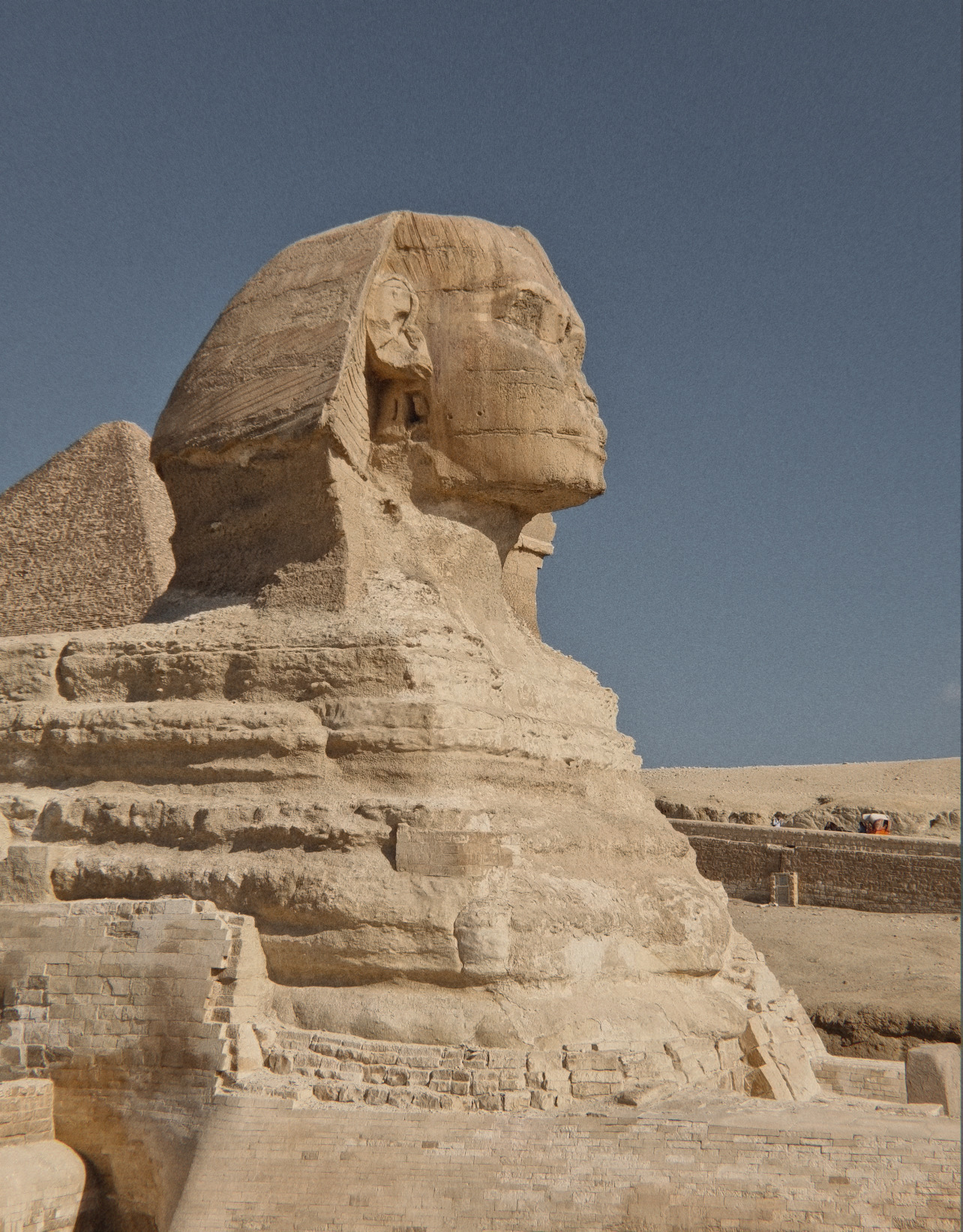
We started with the majestic Sphinx giving “I’ve seen things” energy and then moved towards the Great Giza Pyramid. I had already decided I wasn’t entering any Pyramids because I’m claustrophobic. But Riz (my dear husband) insisted we at least try. So we reached the entrance, only to discover that you need to buy the entry ticket from the main gate, the one we had already left far behind downhill. This was the universe telling me not to do this and I accepted it. We skipped the pyramid interior for this trip. Maybe next time when I magically become brave.
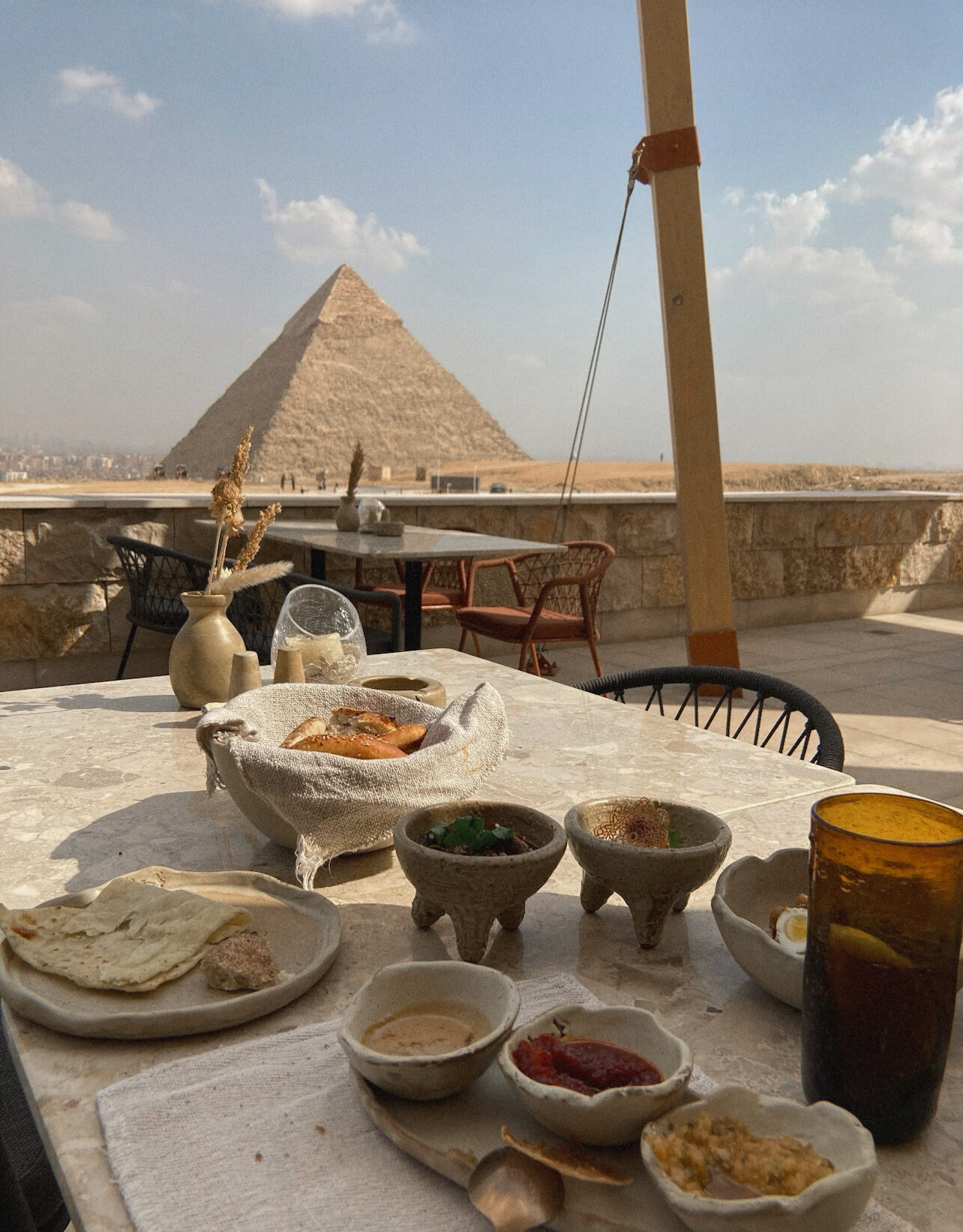
Inside the complex there’s a gorgeous café called Khufu’s, one of the only two restaurants inside, and you can only access them with a Giza Complex entry ticket, so plan accordingly or you’ll end up paying twice. We had an amazing brunch with the Pyramids casually chilling in front of us. After a very needed, very heartful brunch, we headed to Saqqara, about an hour from Giza. The Step Pyramid was completely different from the ones at Giza, less dramatic but equally beautiful in its own ancient way. We skipped the guide this time and simply wandered around, interpreting history using our common sense and Google.
By the time we wrapped up, we were officially tired. We headed back to the hotel and ended the night with an amazing dinner at the hotel restaurant, once again with a pyramid view, because staring at pyramids every evening in Giza is an absolute must! We had an early morning flight to Luxor the next day. Yeap, I know we have a lot left to explore but our itinerary brings us back to Cairo in a few days so we intentionally decided to explore Old Cairo, the museums, and the rest of the city’s chaos later.
DAY 3. LUXOR
Flying into Luxor felt like someone hit the slow motion button on life. The city was calmer, softer, and somehow glowing at all hours. Since we only had two days here, we didn’t waste a single minute. We checked into our hotel, changed at record speed, and headed straight back out.
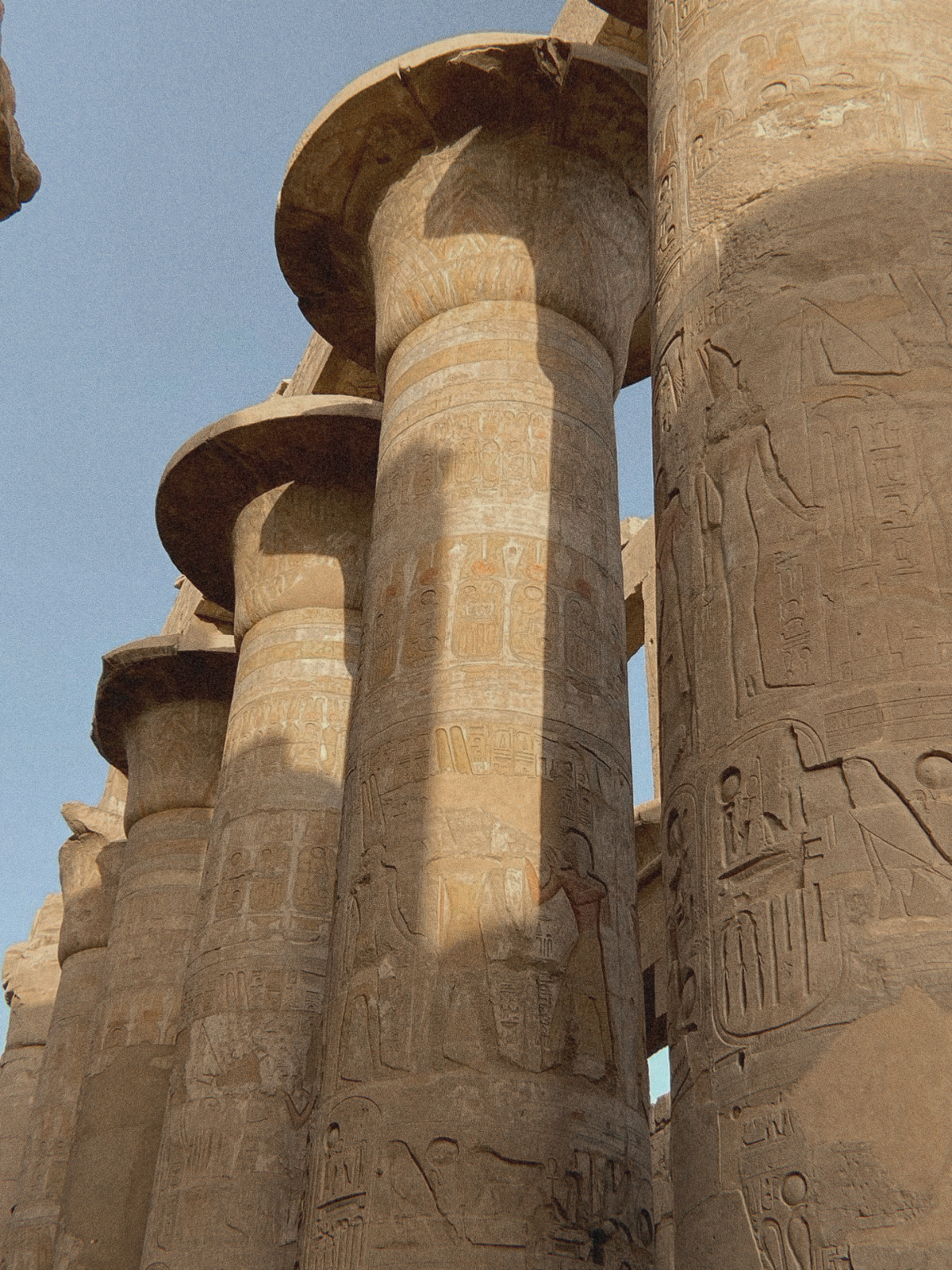
Our first stops were Luxor Temple and the Karnak Complex, both so grand they made me question every career choice that didn’t involve becoming an archaeologist. We wandered through the massive columns which made us feel very tiny in comparison. We were in awe. We decided to cover most of the sightseeing spots by Day 1, so next in line was Queen Hatshepsut’s Temple which is a UNESCO World Heritage site. We also checked out the Colossi of Memnon and Luxor Museum, so by the end of the day we had left only the Valley of the Kings & Queens for tomorrow.
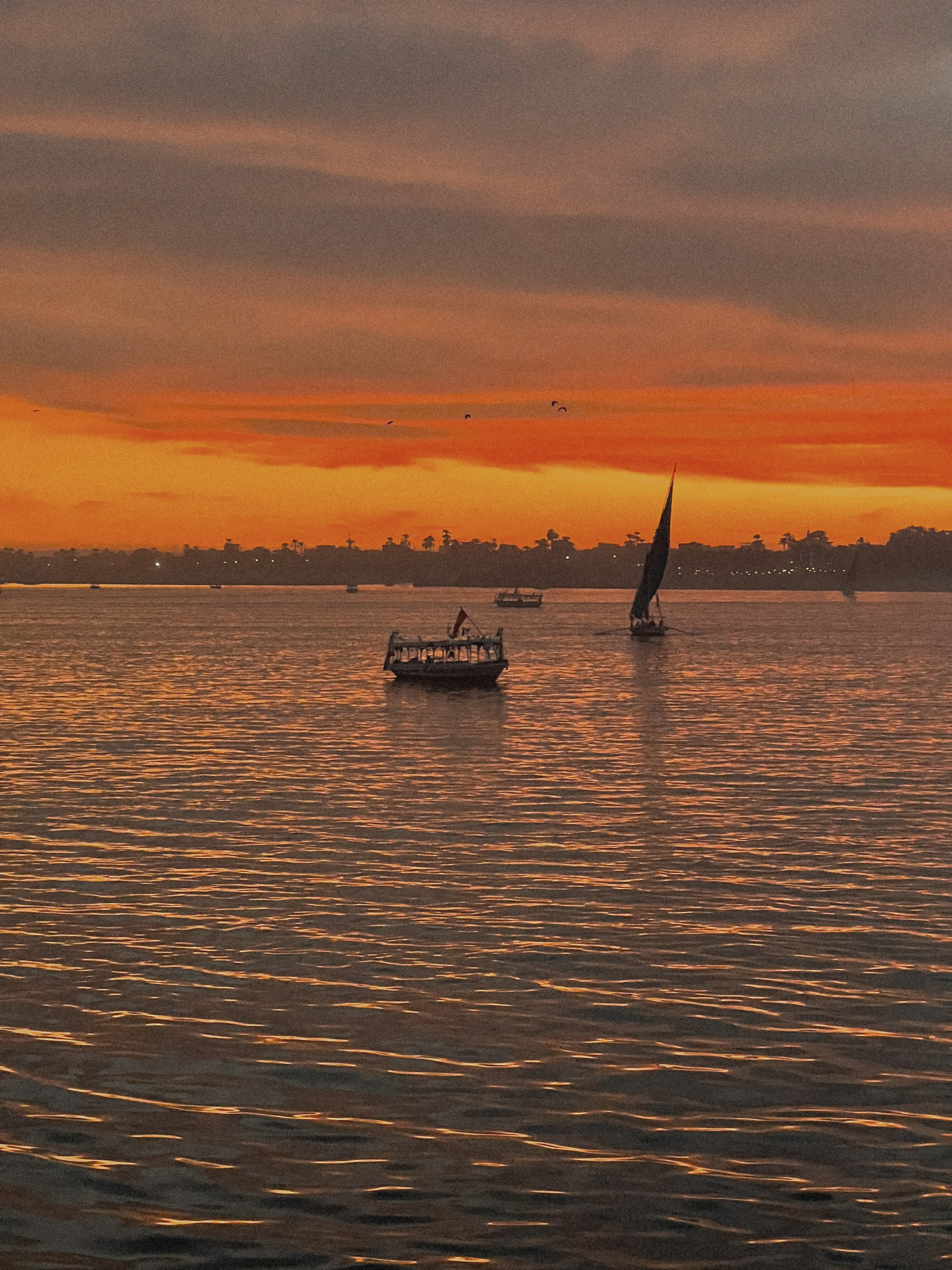
By midday, hunger hit us like a plot twist so we googled the most famous local restaurant which led us to Sofra and tbh, the place deserves a fan club. We ordered traditional Egyptian dishes like mesakaa, you can call it a distant cousin of Lasagna, along with molokhia, which is basically a green soup, looks alright but tastes amazing! After dinner we wrapped the day up by catching the sunset and enjoying an open air screening by the Nile of the FIFA World Cup that was happening right beside, in Qatar. Players running across the screen, the Nile glowing behind us, everyone screaming at missed goals in five different languages, we grabbed some drinks, joined the crowd, and enjoyed Luxor’s cozy, loud, full of energy night.
DAY 4. LUXOR
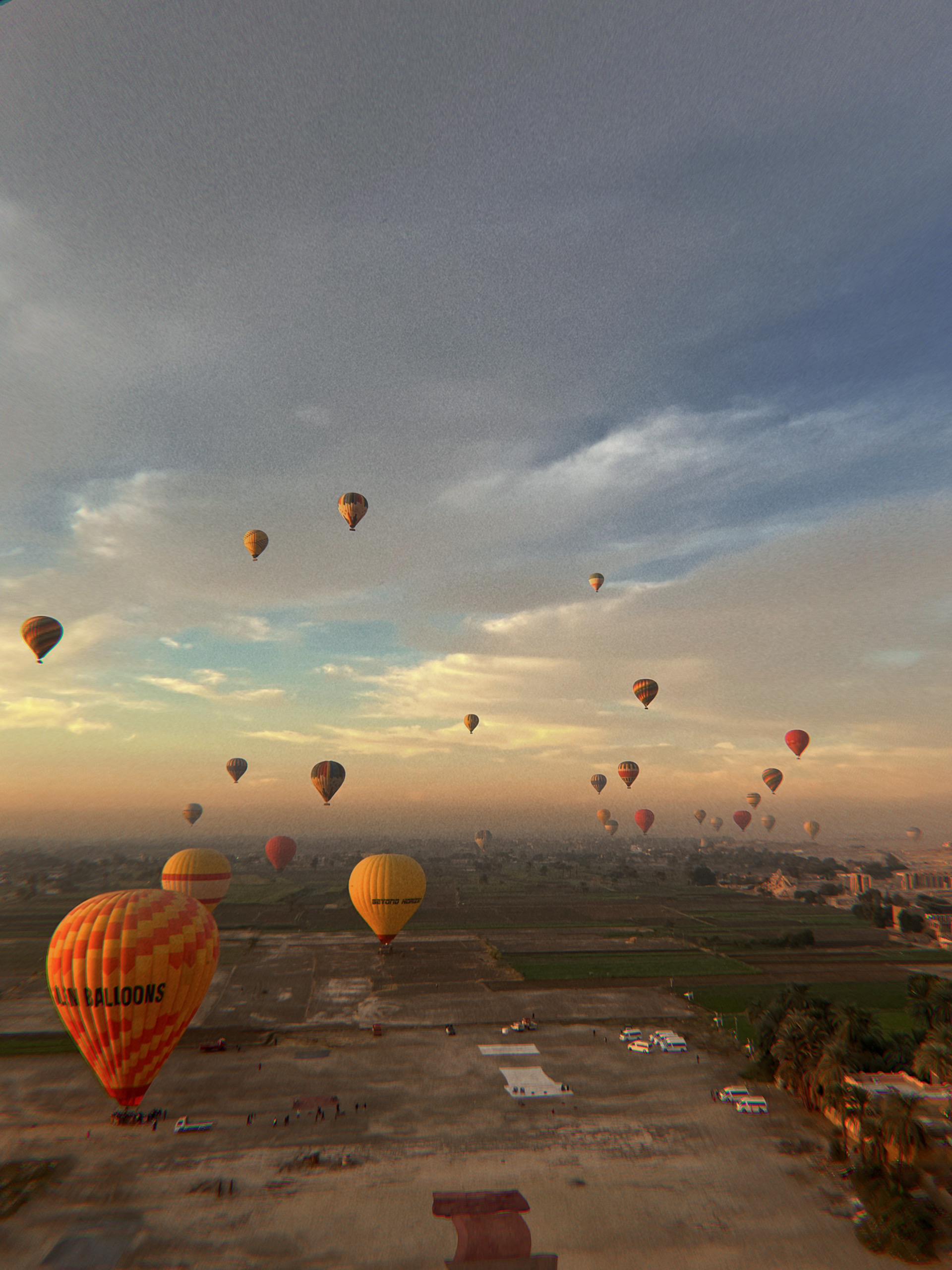
Day 4 started at an hour that shouldn’t legally exist on vacation. Our alarms went off at 3 AM for our sunrise hot air balloon ride. We dragged ourselves out of bed, met the tour group, and got on a little boat to cross the Nile while the sky was still pitch black and perfectly silent. When we reached the launch site, dozens of balloons were inflating at once, the whole field looked like giant fiery drops rising from the ground. We took off about five minutes before sunrise, and the timing couldn’t have been better! As the sun came up, the entire city turned gold, the Nile shimmered in soft light, and the Valley of the Kings looked quite moody from above. The whole scene was breathtaking! The ride lasted around 45 minutes and we landed gently over green fields. Lots of children came running, trying to help anchor the carriage down, not out of pure goodwill, of course, but in hope of a little tip. The tour dropped us back at the hotel the same way.
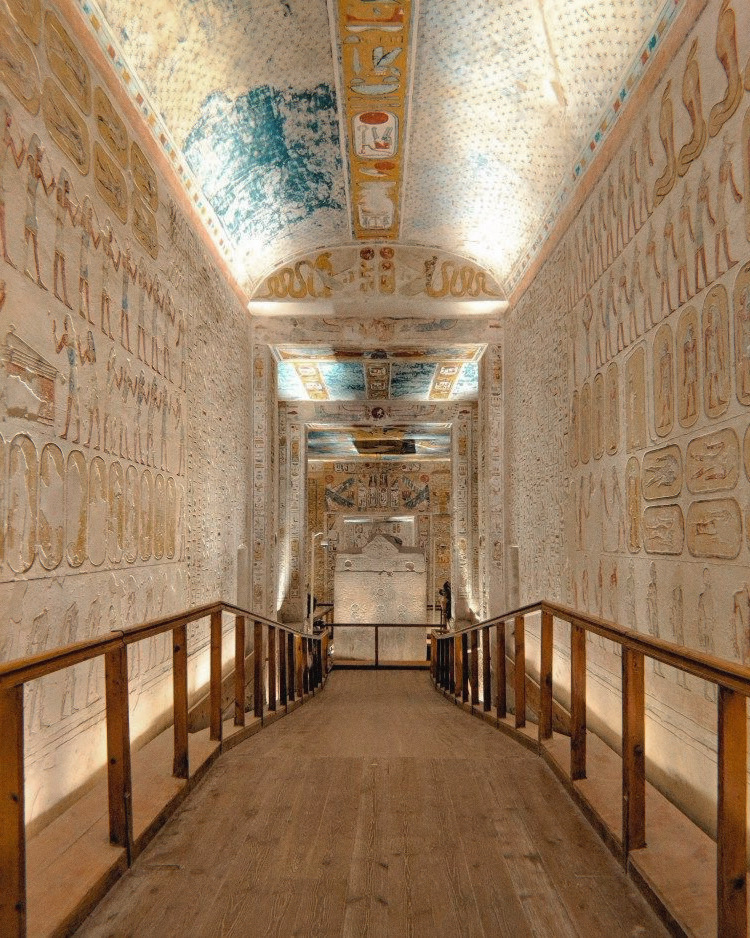
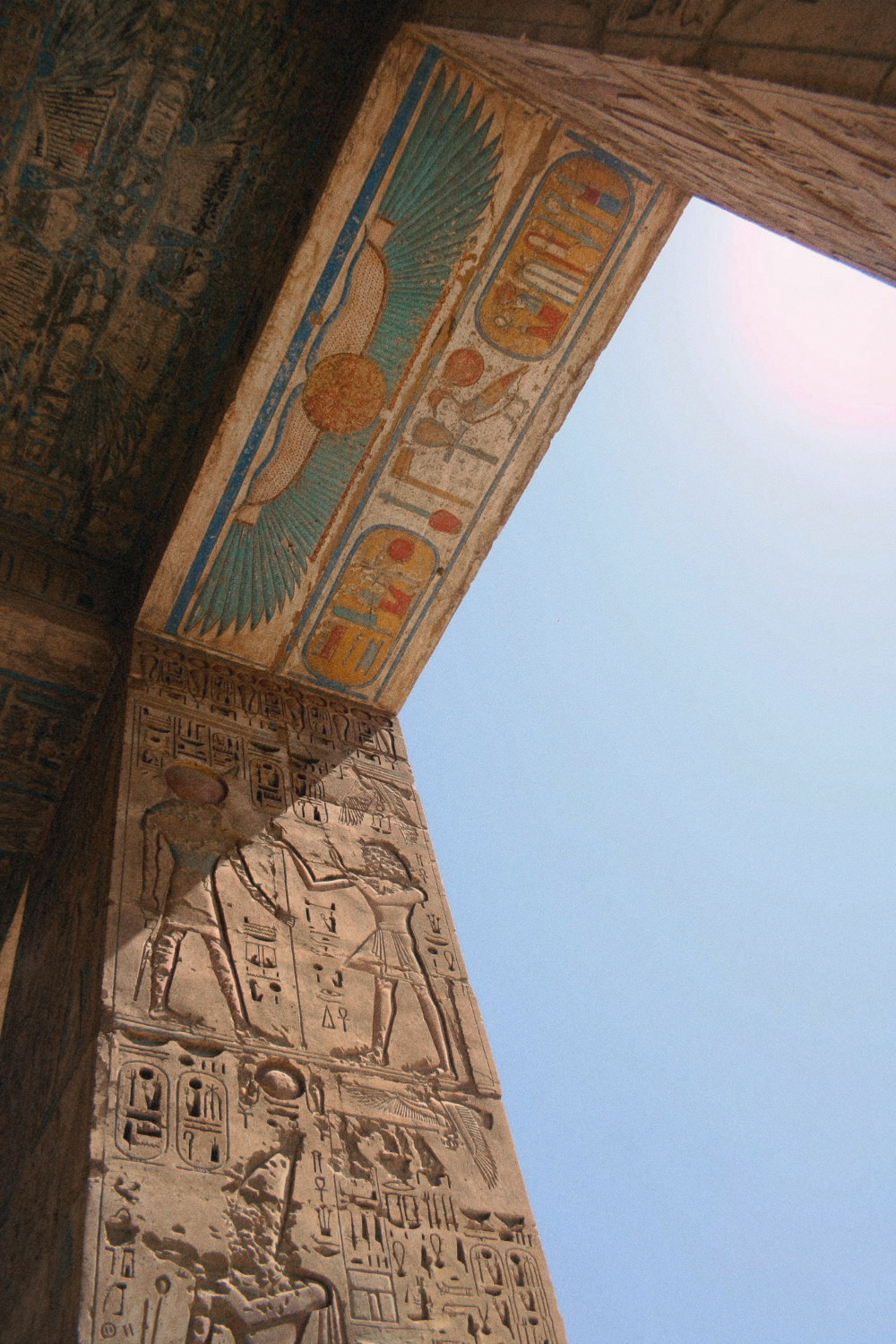
After a very necessary nap and breakfast, we headed straight to the Valley of the Kings. Even if you’re not a “history person,” the place hits different, quiet, sacred, and incredibly well-preserved. Some of the hieroglyphic colors are still so bright it feels unreal. Next, we visited the Valley of the Queens, which is often overlooked in Luxor and I get why. Most of the valleys do look similar at first glance but Queen Nefertari’s tomb single handedly made it worth the visit. Nothing in Egypt prepared me for how stunning it was inside. The artwork looked freshly painted. I stood there having a small spiritual crisis thinking, “This woman really said go big or go home.”
Afterwards, we stopped by a few local alabaster workshops where artisans demonstrated traditional carving techniques. There were beautiful bowls, plates, statues and a salesperson for every item, each with convincing reasons why today only was a “special price.” We walked away with a tiny vase because emotional blackmail and heat guarantees impulse purchase. To end the day, we took a felucca ride on the Nile, a traditional Egyptian sailboat that moves only with the wind. Our hotel arranged the entire experience. We watched the sunset from the boat, had dinner, and listened to Egyptian music as our sailor guided us across the calm river. It was the perfect, peaceful close to a long, beautiful day.
DAY 5. ASWAN
One of the most popular ways to get from Luxor to Aswan is by taking a 2-3 night Nile cruise. They’re relaxing, scenic, and a huge part of the classic Egypt experience. But since we were short on time, we skipped the cruise and chose to drive instead. The drive takes about 3-5 hours depending on how many breaks (and photos) you take. We stopped to visit Kom Ombo and Philae Temple along the way. Our main motivation for heading to Aswan was simple, Abu Simbel and the Nubian Village, two of the most famously Instagrammable spots in southern Egypt.
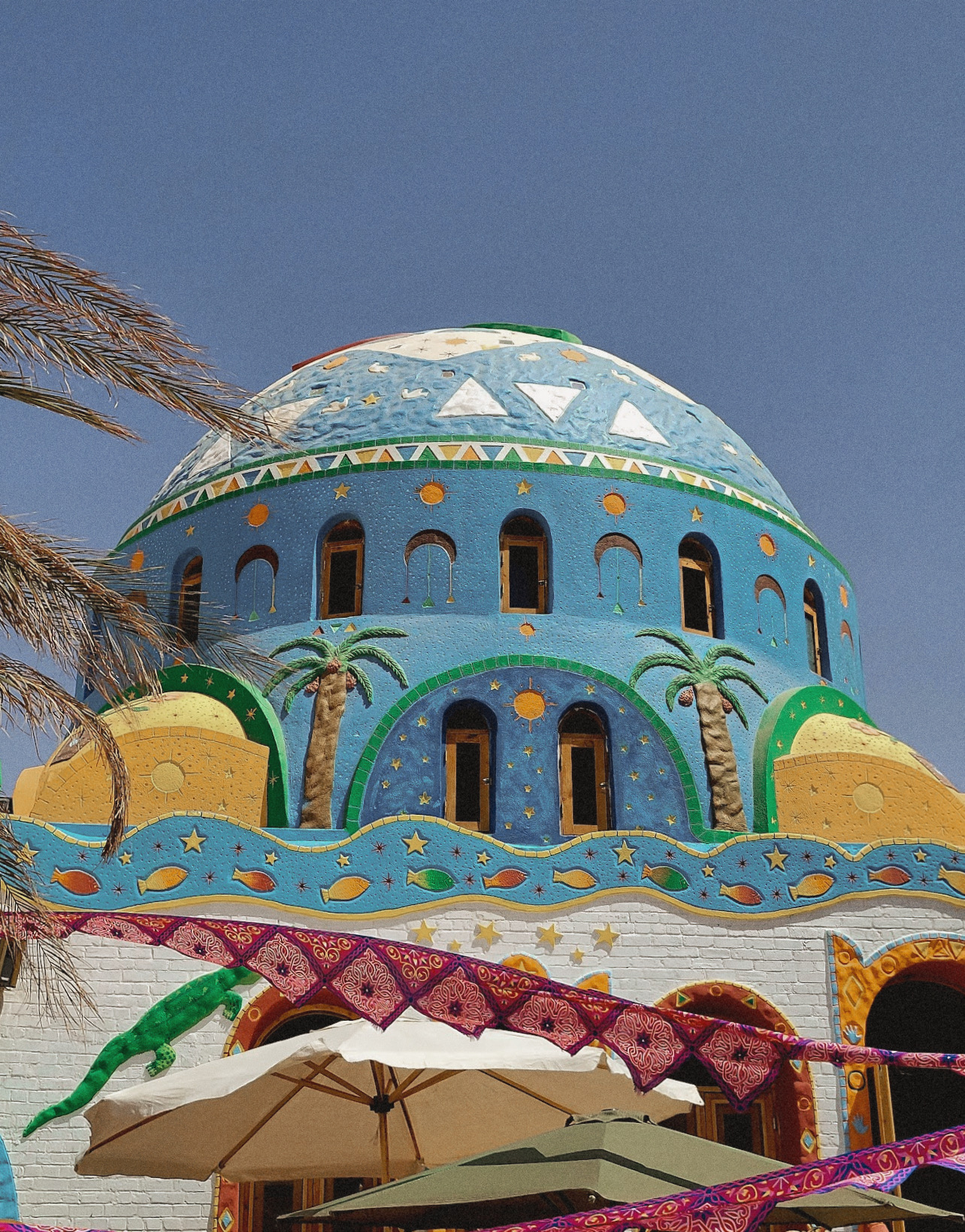
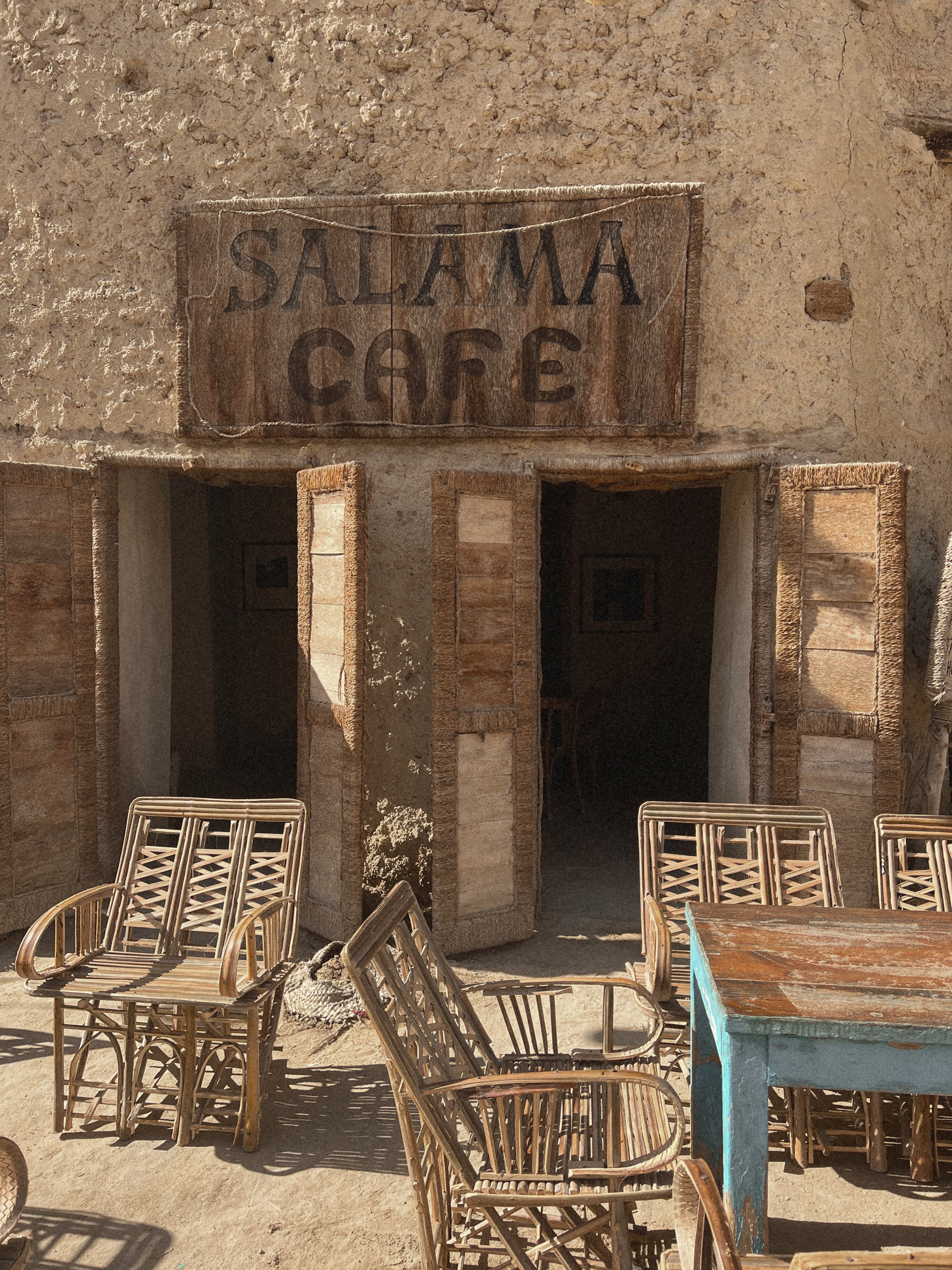
By the time we reached Aswan, it was noon, so we decided to check out the colourful Nubian Village first. The Nubian Village is one of the most vibrant, cheerful places in Egypt, bright blues, yellows, and pinks everywhere, houses painted with geometric patterns, murals of crocodiles and ancient symbols, and people who are genuinely warm and welcoming. Nubians are one of the oldest ethnic groups in Egypt, known for their hospitality, rich history, and a culture that feels very distinct from the rest of the country. Walking through the village feels like stepping into a living art gallery.
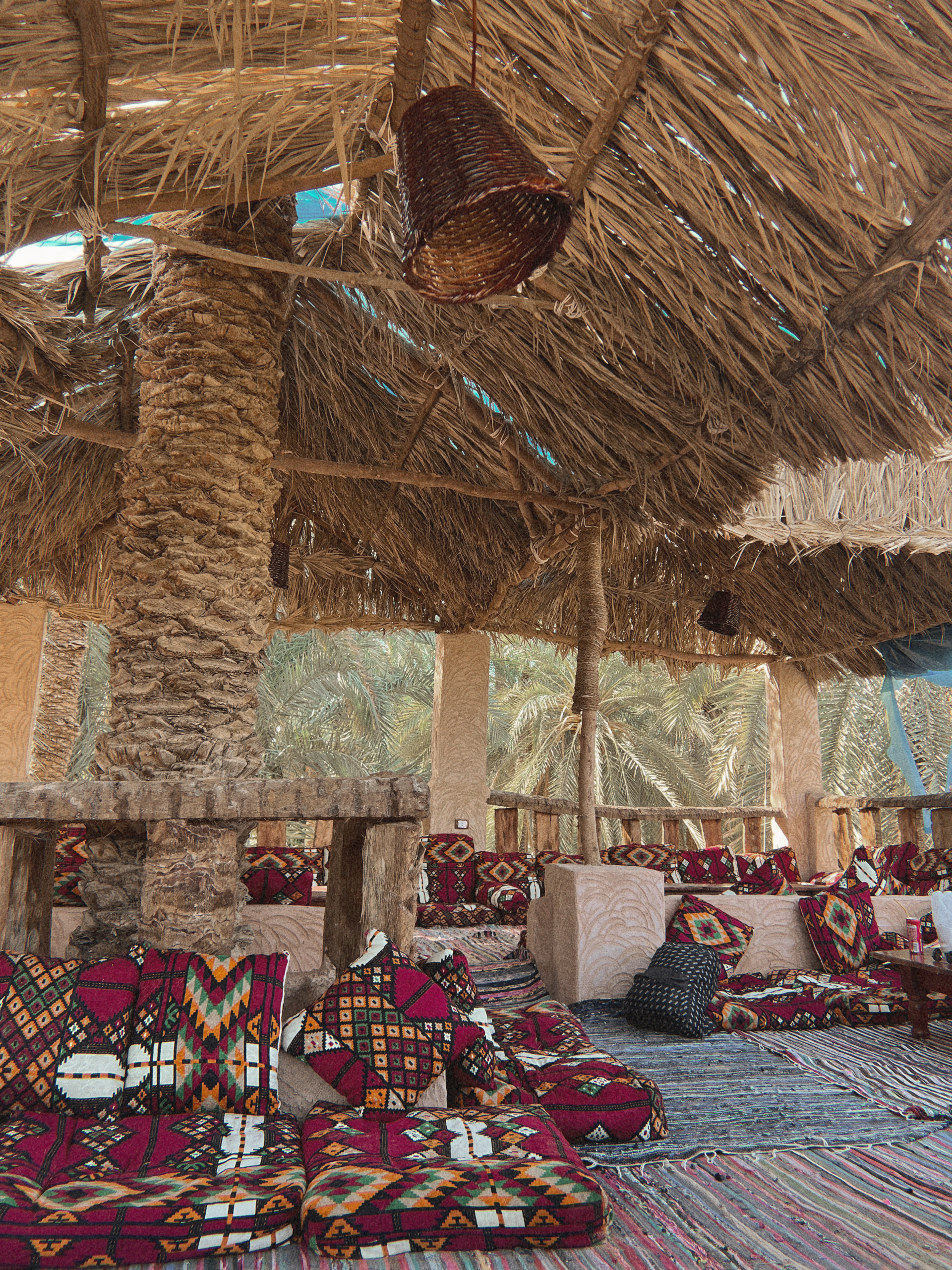
We ended the night with a homely dinner at a family owned Nubian restaurant, simple food, warm faces, and a cozy atmosphere that felt like eating at someone’s house rather than a tourist spot. We slept early because we had a three hour drive to Abu Simbel the next morning, and we wanted to reach before the cruise buses arrived.
DAY 6. ABU SIMBEL
Our original plan was to wake up at an ungodly hour and reach Abu Simbel by sunrise. But after talking to our guide, we decided to reach Abu Simbel at 1 PM, the golden hour when all the early morning cruise tours have left. So instead of a painful 4 AM wake up call, we did something revolutionary, slept till 9. A honeymoon miracle. We started our drive at 10 in the morning and reached exactly at 1. Yes, the sun was directly above our heads, but the almost empty complex made it surprisingly worth it. No pushing, no loud groups, no accidental photobombs, just quiet, heat, and ancient greatness.
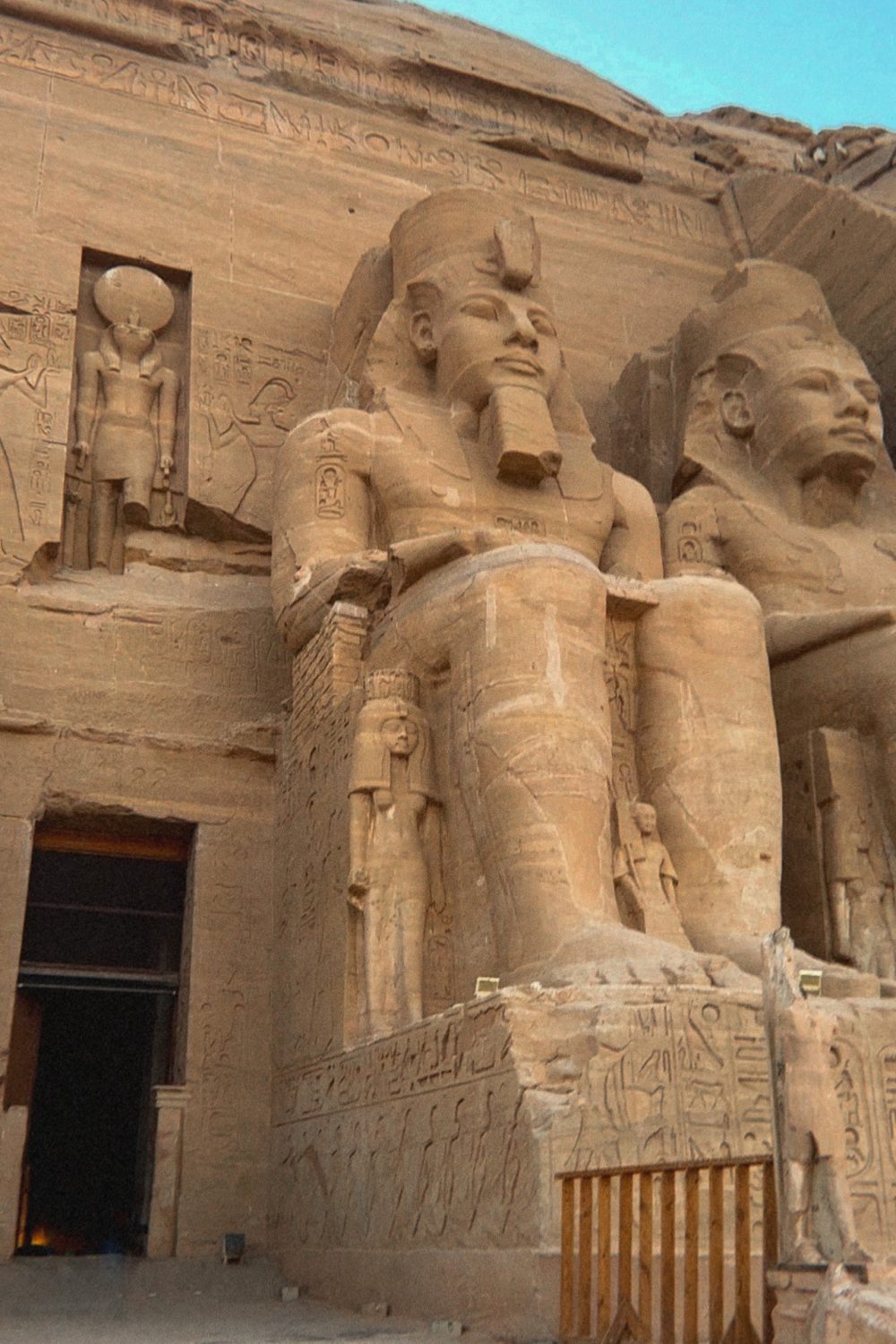
As we walked up to Abu Simbel, I was absolutely blown away. Standing there, with the sun hitting the massive statues of Ramses, you automatically stop in your tracks. The scale, the symmetry, the detail, everything feels unreal. And then you remember the wild part, they moved this entire temple! A bit of context, Abu Simbel was originally built on the west bank of the Nile around 1264 BC. In the 1960s, the Aswan High Dam project meant the entire area was going to be flooded. Instead of losing one of Egypt’s greatest treasures, UNESCO stepped in. They cut the entire temple into huge blocks, some weighing up to 30 tons, and moved it piece by piece to higher ground.The precision was so perfect that twice a year, the sun still aligns to illuminate the inner sanctuary exactly like it did in its original location. It took four years and is considered one of the greatest archaeological engineering feats ever!
Standing in front of it, knowing humans moved this entire carved mountain without lasers, drones, or modern AI makes you feel small, in the best way. Inside, the chambers are incredibly preserved, with carvings that still look sharp and intentional. You can really feel the weight of history and the power (and ego) of Ramses.
DAY 7. CAIRO
We drove back to Luxor at dawn to catch our flight to Cairo. As promised, we were finally back to explore Old Cairo before heading toward a completely different (and very offbeat) part of Egypt. We landed around noon and immediately did the most important thing, hunt for food. Our first stop was the famous Koshary from Abou Tarek, the most iconic Egyptian comfort dish. It’s a chaotic mix of pasta, rice, lentils, chickpeas, tomato sauce, and fried onions, basically carbs on carbs, but it gave us the exact fuel we needed for the rest of the day.
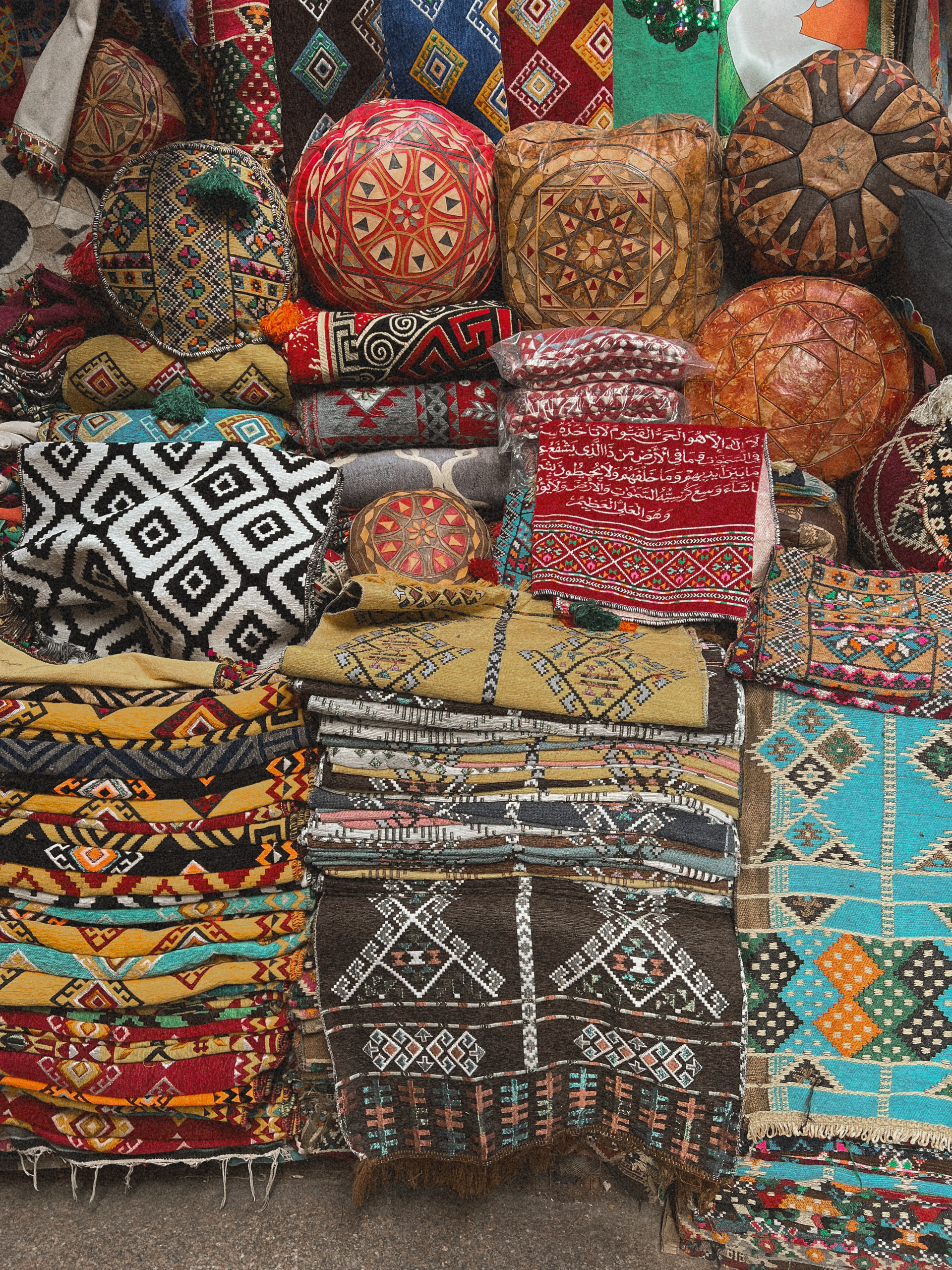
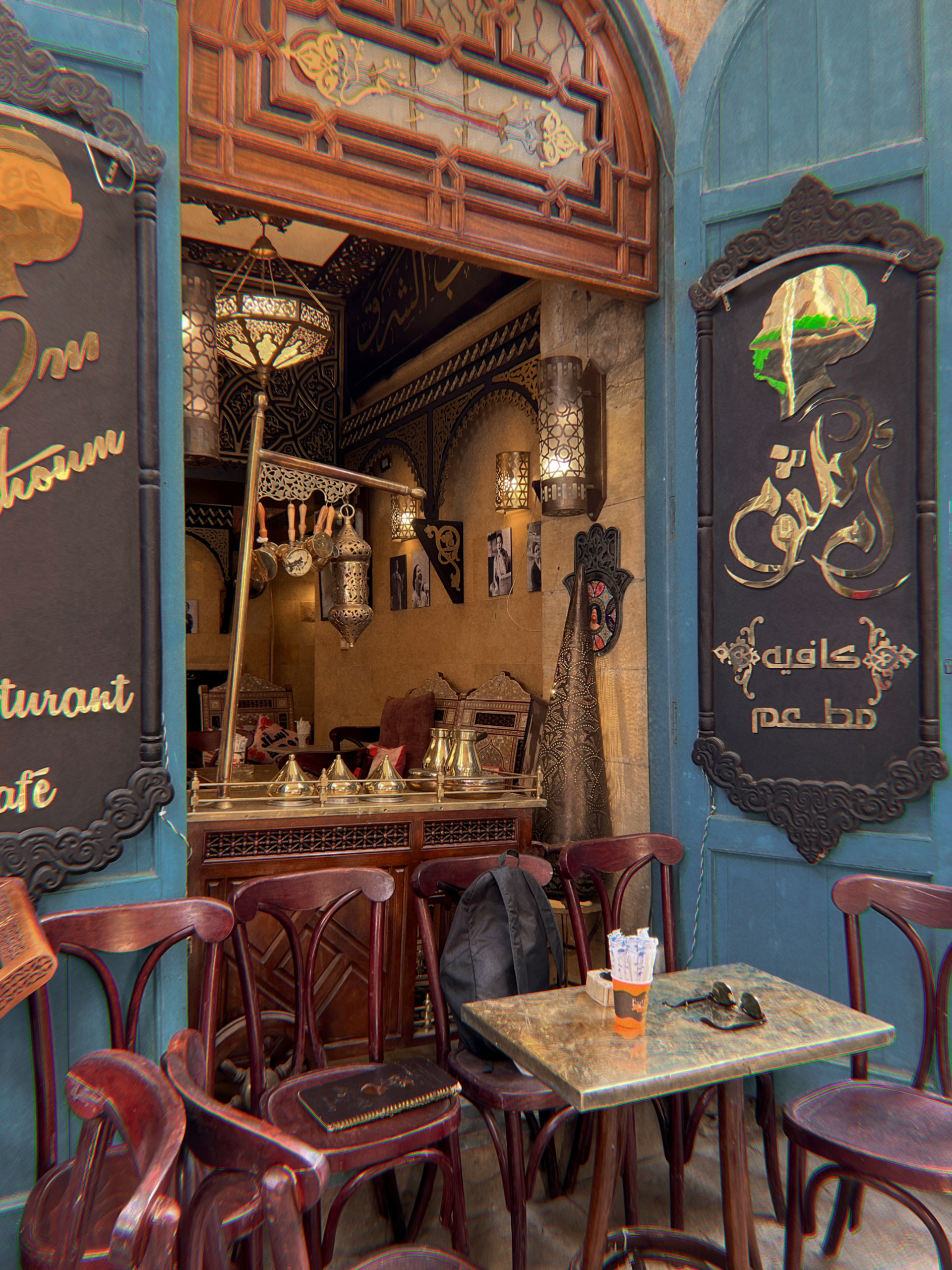
Next, we headed straight into Khan El Khalili Bazaar. The lively streets were packed with colourful stalls, fragrant spices, brass lamps, handmade jewellery, leather bags, and the constant chatter of locals bargaining like it’s a competitive sport. It genuinely felt like stepping into an old Turkish movie set from the 80s, crowded, noisy, slightly chaotic, but full of charm. From there, we explored more of Old Cairo, wandering through Al-Muizz Street, famous for its historic Islamic architecture, mosques, and medieval buildings. Every corner looked like it belonged on a postcard. I would 100% recommend hiring a local guide for this part, not just for the history, but also to discover hidden food spots you would never find on your own.
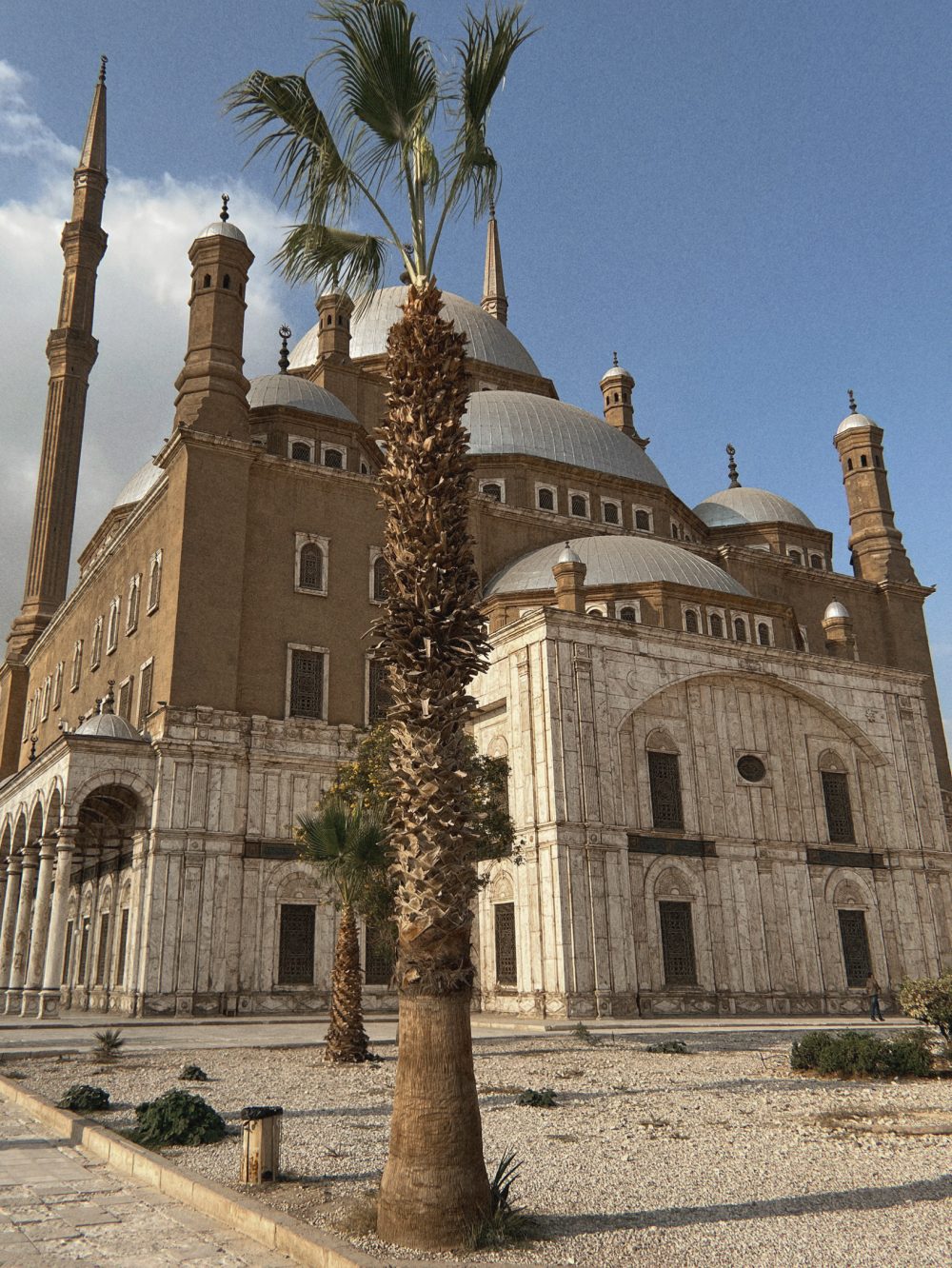
Since the Grand Egyptian Museum was still under construction (finally opened in 2025), we visited the classic Egyptian Museum in Tahrir Square instead. We went straight into the Royal Mummies Chamber, eerie, fascinating, and unbelievably well-preserved. Seeing the actual faces of pharaohs you read about in your childhood textbook was wild! As the day cooled down, we made our way to the Citadel of Saladin. The climb up the steep hill was quite…character building. But the views from the top were worth every step. Cairo stretched endlessly in all directions, and just as the sun began to set, the sky shifted to shades of pink and gold. The whole city glowed.
DAY 8. SIWA OASIS
Day 8 was something I was genuinely the most excited about. We decided to explore an offbeat city called Siwa Oasis with a small group tour organised by ChillOut Egypt. It takes 10+ hours to reach Siwa from Cairo, it’s literally on the other end of the country, near the Libyan border. Thankfully, the bus seats were recliners, so we napped almost the entire way like two people recovering from a life decision they made voluntarily. But let me tell you, this wasn’t just a road trip. Siwa is one of the most remote, untouched places in Egypt, and you feel every bit of that distance. The journey was wild. Every couple of hours, we’d hit a military checkpoint where border guards checked IDs and occasionally our luggage. By the fourth or fifth stop, we were simply holding ourselves together. Siwa sits close to Libya, so the tight security is no joke. You don’t just travel to Siwa, you earn it.
After what felt like endless checkpoints and the longest stretch of desert road I’ve ever seen, we finally arrived late at night at our “salt castle,” Adrère Amellal. This eco-lodge was one of the reasons I had been counting down to this trip. It’s a sustainable hotel built entirely out of salt rock and mud-brick, blending into the desert like it grew straight out of the landscape. There’s no electricity, only beeswax candles lighting the rooms at night. (A power bank is an absolute must) The architecture follows traditional Siwan style, earthy and ancient. It overlooks Lake Siwa, with dreamlike views you can’t compare to anywhere else. The silence is unreal, no traffic, no engines, no city noise. Just stillness. It feels raw, ancient, and otherworldly like staying inside a natural sculpture frozen in time.
We checked in by candlelight, exhausted but completely mesmerised. It was the perfect welcome to the magical remoteness of Siwa. We spent the night around a bonfire, getting to know our group and soaking in the silence so deep it almost felt like a luxury.
DAY 9. SIWA OASIS
Despite the long journey the day before, we woke up in Siwa feeling strangely refreshed, maybe it was the silence, maybe it was the desert air, or maybe it was the fact that our room was lit only by candlelight and we slept like people unplugged from the world.
Our first stop of the day was the Salt Lakes, and nothing prepared me for how surreal they looked. The water was crystal clear, shimmering turquoise, and completely still. The salt formations along the edges looked like snow, except it was 38°C and absolutely not snow. One dip and we realised why everyone calls it nature’s Dead Sea. You float without trying! It’s impossible to sink even if you wanted to. Next, we headed to Cleopatra’s Spring, a natural freshwater pool where the water constantly circulates. It’s believed Cleopatra herself bathed here, which may or may not be historically accurate, but honestly, I chose to believe it for the plot. The spring was refreshing after the salt lake float and felt like hitting the reset button.
We went back to our hotel and freshened up to get ready for the next leg of the day, the Sahara Desert safari. This was hands down the highlight of Siwa. Our jeep driver had zero fear and full confidence, drifting across dunes like it was Fast & Furious, Oasis Edition. We went sandboarding, which looked glamorous in photos but in reality felt like sliding down a giant stove-heated hill with sand going into places sand should never go. We ended at a secluded dune, set up with a red carpet Siwan dinner under the open desert sky. There was a bonfire crackling, soft music playing, and a setup straight out of a movie. As the moon rose over the dunes, everything turned silver. We danced around the bonfire with our group and laughed like old friends. It was warm, magical, and the kind of moment that doesn’t need photos to be remembered.
DAY 10. SIWA OASIS
Day 10 in Siwa felt slower, softer, and somehow even quieter than the day before. After two days of salt lakes, springs, and dune chasing, this was our day to explore the actual town, the heart of Siwan life. We started with a walk through the old Siwa town, a place where time genuinely feels different. Donkeys still roam freely, kids run around barefoot, and the air holds a faint mix of dates and dust. Everything is simple, unpolished, and grounding in a way modern life rarely is.
Our first stop was the Shali Fortress, a massive mudbrick structure that once protected the entire oasis. Built from kershef, a traditional mix of salt, mud, and rock, the fortress has slowly melted from years of rare rainfall, giving it a soft, sculpted look almost like coral. We climbed through narrow pathways to the top, where the view opened into miles of palm groves and desert stretching endlessly in every direction. At that moment, it made perfect sense why people call Siwa “Egypt’s hidden paradise.” Next, we visited the Siwa House Museum, a small but charming space that showcases traditional Siwan life, handmade jewellery, embroidered clothing, tools, and artifacts preserved from generations. It doesn’t take long to explore, maybe 15-20 minutes, but it adds so much context to how unique and isolated this community truly is.
After the museum, we wandered through the olive and date farms that Siwa is famous for. This oasis produces some of the best olives and dates in Egypt thanks to its mineral-rich soil and natural spring water. Every few minutes we’d pass farmers sorting dates or carrying baskets of freshly picked olives, a reminder of how slow and intentional life is here. Before leaving town, we stopped at the local souq, picking up a few handmade souvenirs. Siwan products are simple, raw, and honestly worth every penny. Just before sunset, we ended our day at a natural hot spring, bubbling warm and surrounded by nothing but palm trees and silence. The water worked magic on every muscle ache we had. Watching the sky fade from gold to orange while soaking in the spring felt like one of those rare moments where your mind finally stops buzzing.
Before coming to Siwa, I was worried Riz would hate me for dragging him all the way to a remote desert town on our honeymoon. But when he said, “Yep, this was worth the 10-hour drive and the five checkpoint interrogations,” I mentally patted myself on the back. Success! As night fell, we returned to our eco-lodge glowing softly with candlelight. We had a quiet dinner, chatted with our group by the fire, and soaked in the last bit of Siwa’s magic. The air was cool, the stars bright, and the oasis felt suspended in another time. It was the perfect, gentle end to our Siwa chapter, a reminder that not every trip needs noise, crowds, or grand monuments. Sometimes, the most unforgettable places are the quietest ones.
DAY 11. CAIRO
Day 11 was basically one long travel day. We spent the entire day driving back from Siwa to Cairo, and by the time we reached our hotel, we practically crashed face-first into the bed. Don’t get me wrong, Siwa was magical, peaceful, and unlike anywhere else in Egypt. But stepping back into a world where your phone charges without a power bank, lights turn on with a switch, and the shower doesn’t depend on candlelight is deeply relieving.
There’s something humbling about spending days without electricity and then suddenly having access to things you normally take for granted. It made me seriously question whether we could ever survive living in the ancient era, no internet, no GPS, no chargers, no playlists, just vibes and landlines. Probably not. But that contrast is exactly what made this trip so special. One day you’re in an ancient oasis lit by beeswax candles. Next, you’re staring at Cairo traffic lights like they’re modern miracles. And perhaps… just perhaps… turquoise beaches are waiting for you the very next day.
DAY 12. DAHAB
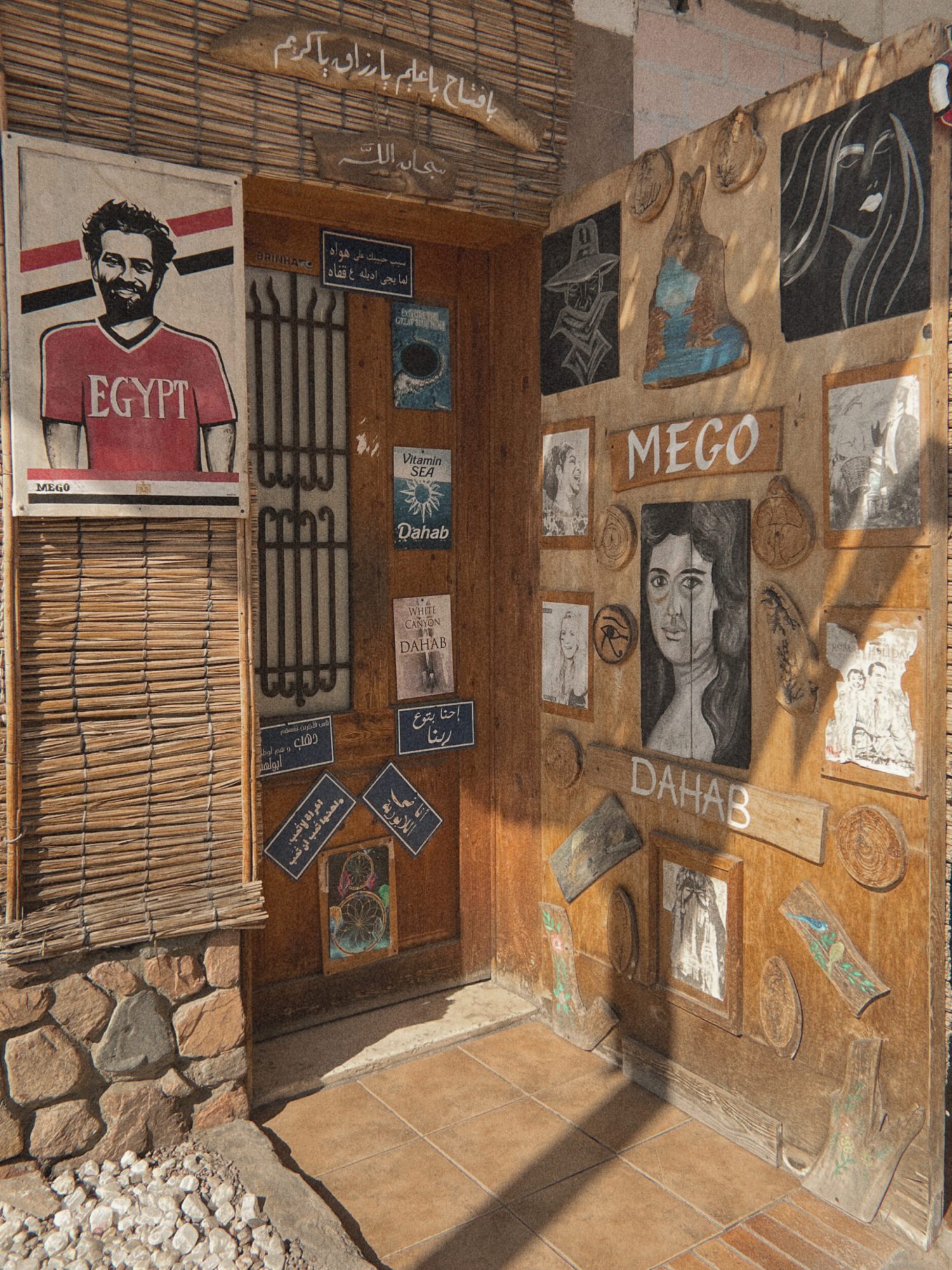
The next morning, we hopped on a flight to Sharm el Sheikh and then drove an hour to Dahab and the second we arrived, we knew we made the right choice. Dahab had everything we didn’t know we desperately needed. Quiet beaches, slow mornings, and that magical Red Sea glow. No chaos, no honking, no pushing, just barefoot tourists, people sipping juice by the water at 10 AM, and divers walking around like they’ve permanently retired from stress. Dahab is basically the chill cousin of Sharm el Sheikh, the one who doesn’t party till dawn but knows all the best sunrise spots. And as a couple who wanted total seclusion and zero overthinking, Dahab delivered like a dream.
We booked the panoramic suite at Beit el Theresa, and let me tell you, it was pure eye candy. The kind of place that immediately makes you promise yourself you’ll wake up early every morning (you won’t, but the intention is there). The view immediately makes you forget every minor inconvenience of your entire adult life. Our host made sure we had the most private and personal stay, it honestly felt like we had our own little sanctuary on the Red Sea.
On our first evening, we treated ourselves to a seafood pizza at a tiny beachside café. And I swear, it tasted like the ocean had personally delivered the toppings. Fresh, soft, perfectly seasoned, I’m still thinking about it! We sat there watching the sun melt into the horizon, the sky turning shades of pink and orange, and it felt like the whole world had slowed down just for us. Dahab was exactly what we needed, calm, warm, simple, and beautiful, the perfect reset after days of travel, temples, deserts, and of course military checkpoints
DAY 13. DAHAB
The plan for the day was to dive into the Red Sea, explore the Blue Lagoon, and admire some beautiful coral but Riz had a very different plan to do absolutely nothing. His dream itinerary was basically lying around in our panoramic suite, staring at the sea, and ordering fresh seafood every few hours and honestly, I didn’t argue. Vacation means listening to your body, and our bodies were clearly asking us to sit down.
We wandered along the beach, casually cafe hopped, and chilled the entire day, sometimes from the shoreline, mostly from our suite because the view alone could cure every problem I’ve ever had. It was one of those effortless, slow days where nothing really happens but you still remember it forever.
What surprised me the most was how un-Egyptian Dahab feels. It genuinely gives a European coastal town vibe, relaxed, breezy, clean, and very “pack your bags and stay long term” energy. You’ll see tons of digital nomads everywhere, mostly Europeans who perhaps came for a week and somehow never left. And I get it. Dahab is stunning and incredibly affordable, which is a dangerous combination. It was a simple day, but one of our favorites, no rushing, no planning, just seafood, sunshine, and pure peace by the sea.
DAY 14. DAHAB
So last day in Dahab, once again, I suggested diving and once again, Riz said no. By this point I realised, maybe, just maybe, my man is actually scared of diving and is now cycling through every excuse in his book to avoid going underwater. Since, it was our last day in Egypt. I didn’t have it in me to push him. He skipped going inside the pyramid for me (technically because we didn’t have the entry ticket, but still counts), so he gets to skip this one too. Besides, some things are better left for next time. So we did what we had perfected over the past few days, absolutely nothing. We relaxed, ate, wandered a little, and enjoyed the kind of slow holiday only Dahab can give.
But the real magic happened at night. Our Airbnb host took us somewhere very special for our last evening. They drove us into the nearby mountains for a late night marshmallow melt over a bonfire. It was simple, quiet, and unforgettable, just us, a fire, the stars, full moon and the calmest desert night. I must mention, Riz was absolutely terrified the entire way to the mountain top. Since the transportation was a pickup truck with two very bulky looking Egyptian men, he immediately decided we were being kidnapped and smuggled into Saudi Arabia (which is literally across the Red Sea). Meanwhile, I didn’t even blink at the plan. DO NOT be like me. Now that I realise, his paranoia was actually a very logical reaction! Not to worry, they were the nicest people we met and I told Riz to stop judging books by their cover!
To make the night even more special, we found out we were the first guests from Bangladesh they had ever hosted in this part of Egypt. It made the moment feel random, rare, and extra memorable. Sitting under the stars, surrounded by desert silence, felt like finding a secret little slice of heaven. Dahab was the perfect way to end our Egypt adventure. After all the temples, deserts, road trips, flights, and surprise military checkpoints, this calm, peaceful escape was exactly what we needed. As we listened to the waves and drifted off to sleep, we knew this trip would stay with us forever.
DAY 15. CAIRO
On our last day, we flew back to Cairo to catch our flight home. However, you can just as easily fly internationally straight from Sharm el Sheikh as well. Both options are super convenient, it really just depends on what fits your plan.
As much as we didn’t want to leave, it was time to head home. Egypt had given us everything: chaos, calm, history, silence, sunrises, deserts, and memories we didn’t even know we needed and like I said before, we’ve barely scratched the surface. There’s so much left, the White Desert, Alexandria, Fayoum, Marsa Matrouh, Siwa again (obviously), and an entire country full of stories still waiting. I can’t wait to come back and dive even deeper into everything this incredible place has to offer.
IS EGYPT SAFE TO VISIT?
Speaking as an Asian traveler, we felt safe throughout our entire trip, definitely safer than some Western travelers made it sound. But I also genuinely believe a part of that safety came from us looking somewhat similar to Egyptians. Locals often told us we looked “Egyptian,” and we got a lot of sweet compliments because of that. It definitely helped us blend in. Of course, every country has its challenges, and Egypt is no different. You do need to stay alert around major tourist spots like the Giza Pyramids and Khan el Khalili. Expect the usual tourist traps, people offering “free” gifts, someone taking your photo and then asking for money, or random guides trying to lead you somewhere you didn’t ask to go. But beyond that, we found Egypt incredibly warm and welcoming. Locals were kind, helpful, and genuinely curious in the best way. We never felt unsafe, just occasionally mildly annoyed, which is pretty standard for any heavily touristed country. Overall, Egypt treated us with so much respect and hospitality, and we wouldn’t hesitate to visit again.
WHEN IS THE BEST TIME TO VISIT EGYPT?
The best time to visit is definitely October to March, Egypt’s winter. The weather is pleasant, you avoid the unbearable summer heat, and sightseeing becomes so much easier. I visited in early December and it was perfect, warm during the day, cool at night, and totally manageable. The only downside? Peak season crowds. December and January are the busiest, and you’ll feel it at the major monuments. If you’re not a fan of crowds, visiting just before or right after peak season (late October, early November, or March) is ideal.
WOULD YOU RECOMMEND HIRING A GUIDE OR A TOUR?
I’m usually someone who loves exploring independently, no strict schedules, no group waiting, no being herded from spot to spot and for most of Egypt, that worked beautifully. But there are definitely places where a guide or tour makes a huge difference. For example, exploring Siwa Oasis on your own is nearly impossible. A guided tour is the way to go. The same goes for some major monuments. Some sites are so layered with history that having a guide turns it from “pretty building” to “oh wow this actually means something.” I hired guides here and there when it felt right, and I’m so glad I did. Egypt is a country where history literally surrounds you, having someone explain it makes the experience twice as meaningful.
WHAT LANGUAGE IS SPOKEN IN EGYPT?
Egypt’s main language is Arabic and learning a few basic phrases genuinely changed how people interacted with me. Even something as small as saying “Hello” (AH-LAN) or “Thank You” (SHUK-RAN) made a noticeably positive difference, faces softened, conversations opened up, and people were far friendlier. Of course, there were also moments where I needed to stand my ground, especially in crowded tourist areas. That’s when phrases like “No” (LA) or “Leave Me Alone” (AT-RUKNI WA-HA-DEE) came in handy.
WHAT SHOULD I WEAR IN EGYPT?
As a woman traveling through Egypt, dressing modestly made my entire experience much smoother. I stuck to clothes that covered my knees and shoulders. Loose trousers, long skirts, lightweight shirts and T-shirts were handy. Fabrics like cotton and linen were lifesavers in the heat. Surprisingly, winter evenings in Egypt can get chilly, so I was very grateful for the sweater and jeans I packed. I didn’t expect to wear them as often as I did. Dahab, on the other hand, is a completely different world. It’s relaxed, beachy, and doesn’t even feel like the rest of Egypt. Swimwear at the beach was totally normal and the overall vibe was much more laid back and tourist friendly. It was refreshing to experience both sides of the country.